Counterfeits aren't only a marketplace problem. A ripped ad can send shoppers to a store built to look like a real brand's. Here is what the main sources found.
What the FTC found
In its April 2026 data spotlight, the US Federal Trade Commission said that in 2025 nearly 30% of people who reported losing money to a scam said it started on social media. Reported losses were $2.1 billion, about eight times the 2020 figure. More than 40% of those who lost money to a social media shopping scam said it started with an ad for something they ordered.
Some of those ads sent people to sites impersonating well-known brands, and goods that did arrive were often counterfeit. This measures what shoppers lost, not what brands lost.
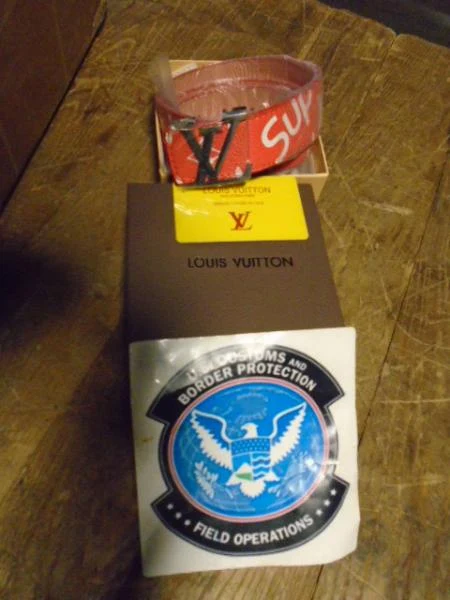
Behind those ads there are often large networks of fake stores.
The fake-shop networks
Security researchers have mapped some of them. In 2024 SRLabs described a network called BogusBazaar: more than 75,000 domains, over 1 million orders since 2021 and about $50 million in order volume, mostly branded shoes and apparel. In 2026 Thai CERT published an advisory on another network with more than 119,000 domains copying listings, logos and images from real stores.
Each store has several parts: the ad, the store, the host and domain, and the payment processor. Each is run by a different company with its own reporting process, so removing one part can leave the rest running. That is why we report ripped ads and the stores behind them together.
The ad gets the shopper to a listing, where a product can give itself away.
How fakes are advertised and spotted
The US Trade Representative's 2025 review of notorious markets records that rights holders raised concerns about fraudulent ads and links to fake websites on e-commerce and social commerce platforms, and about influencers promoting counterfeits. USTR says this reflects what stakeholders report, not findings of legal violations.
Platforms and agencies point to the same signs: misspelled or blurred brand names, prices far below normal, a new seller with no reviews, and small parcels shipped from overseas. None proves a product is fake. They are reasons to look closer.
Once you've found one, the next question is where to report it.
What brands can do
- Report on the official route: Temu, AliExpress, Amazon Brand Registry or Walmart's Brand Portal.
- Keep a record: the listing address, the date, screenshots and the seller's name.
- Keep your trademark registration numbers handy, because some report forms ask for them.
- Report the ad, the store and the marketplace listing together. That is how we handle ripped ads, and a free scan shows you where to start.


