Numbers about fakes get quoted a lot and checked rarely. Here are the main studies, what each one did and what it found.
The size of the trade
The OECD and the EU Intellectual Property Office studied customs seizures around the world. They estimate fake and pirated goods were worth about $467 billion in 2021, up to 2.3% of world imports. Clothing, footwear and leather goods made up 62% of the counterfeits seized.
How fakes arrive
Most seizures were small. Shipments of fewer than 10 items were 79% of seizures in 2020 to 2021, up from 61% in 2017 to 2019. The report notes this may make fakes of small and medium-sized brands harder for customs to catch.
That is the trade in general. Here is one real seizure.
What a seizure looks like
In January 2021, CBP officers in Minneapolis intercepted a shipment from Laos with more than 170 designer handbags and wallets. CBP says nearly 90% of its fiscal year 2025 intellectual property seizures originated in China and Hong Kong.
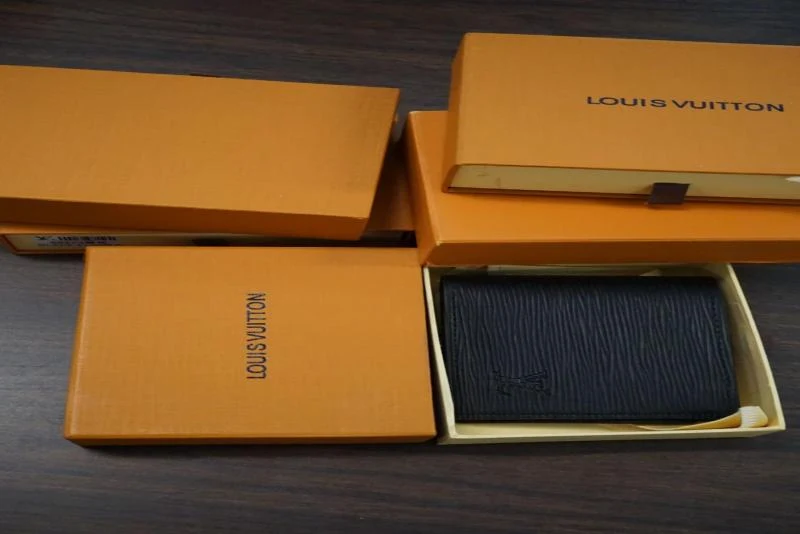
Seizures show what gets caught. Another study asks what brands lose.
What it costs brands
The EUIPO modelled how many legitimate sales EU brands lose to counterfeits. Its 2024 study put the average at 5.2% of clothing and footwear sales and 8.7% of toy sales for 2018 to 2021. These are market averages from economic models, not a measurement of any one brand.
A third approach is to buy the products and have the brands check them.
A test buy
In 2018 the US Government Accountability Office bought 47 items from third-party sellers on popular consumer websites and had the brands check them. 20 were counterfeit. GAO calls it a small, nongeneralizable sample, so it shows that fakes turn up in third-party listings, not how often.


