Brands often say "unauthorized sellers" and "counterfeiters" as if they meant the same thing. They are different problems, and platforms treat them differently.
Counterfeiters
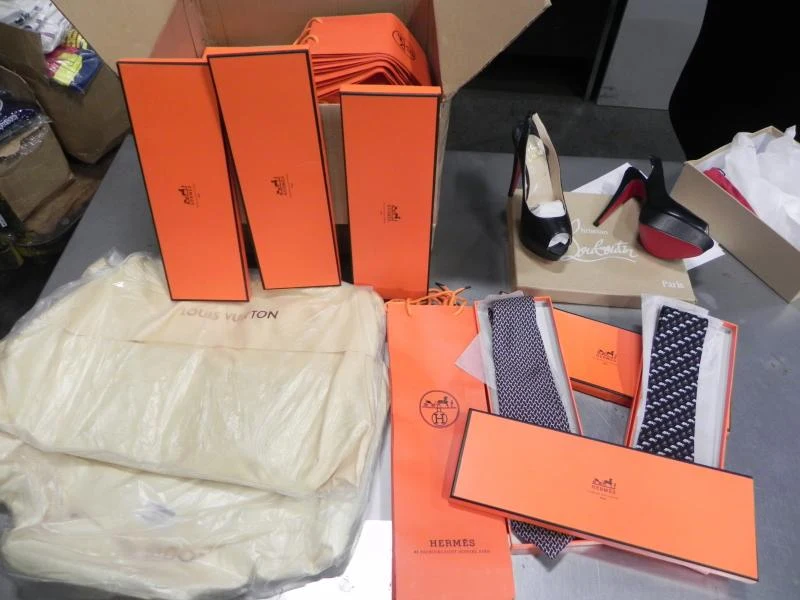
A counterfeit is a fake: the product wasn't made by or for the brand, but it carries the brand's name or marks. These go to the platform's intellectual property process, with evidence. Mercari's help center lists counterfeits, replicas, trademark misuse and copied photos or text as valid reports.
Unauthorized sellers
An unauthorized seller sells genuine product the brand didn't authorize them to sell, for example stock bought from a distributor or a closeout. These are usually handled through your reseller terms, your price policy and the platform's seller rules. Mercari says selective distribution, unauthorized resellers of genuine goods, minimum advertised price and contract terms are not valid reports, and other platforms have their own rules.
Resellers undercutting a brand's price is also common, according to one study.
The reseller price study
Researchers studied more than 1.25 million daily price observations from about 1,000 online retailers selling over 200 products from one electronics and music manufacturer. According to the INFORMS summary, unauthorized retailers priced below the minimum advertised price as much as half the time, against about 20% for authorized ones. The median discount was about 13% versus 5%. It is one manufacturer's data, so it shows undercutting is common, not a rate for your category.
Sorting a listing into the right pile is the first step.
What to do about it
If you can't tell which a listing is, a test buy or a close look at the product answers it. Keep the listing address, the date, screenshots and the seller's name. Sorting listings is the first thing we do with you on a free scan, and then we handle unauthorized sellers and counterfeits the way each platform accepts. This is general information, not legal advice.


